The Hidden Dangers of Driving Without Fender Liners After Off-Roading or Tire Upgrades
When upgrading your vehicle for rugged terrain or returning from a weekend trail adventure, it is easy to overlook components that seem secondary to performance. One of the most underestimated protective elements on any truck or SUV is the off-road fender liners installed inside the wheel well. These molded barriers play a critical role in shielding vital systems from debris, moisture, and impact. Unfortunately, many drivers remove them for tire clearance, lose them to trail damage, or fail to replace them after modifications. The result can be costly mechanical issues, premature wear, and avoidable safety hazards.
Understanding the hidden dangers of driving without fender liners is essential for anyone serious about off-roading or performing tire upgrades.
What Fender Liners Actually Do
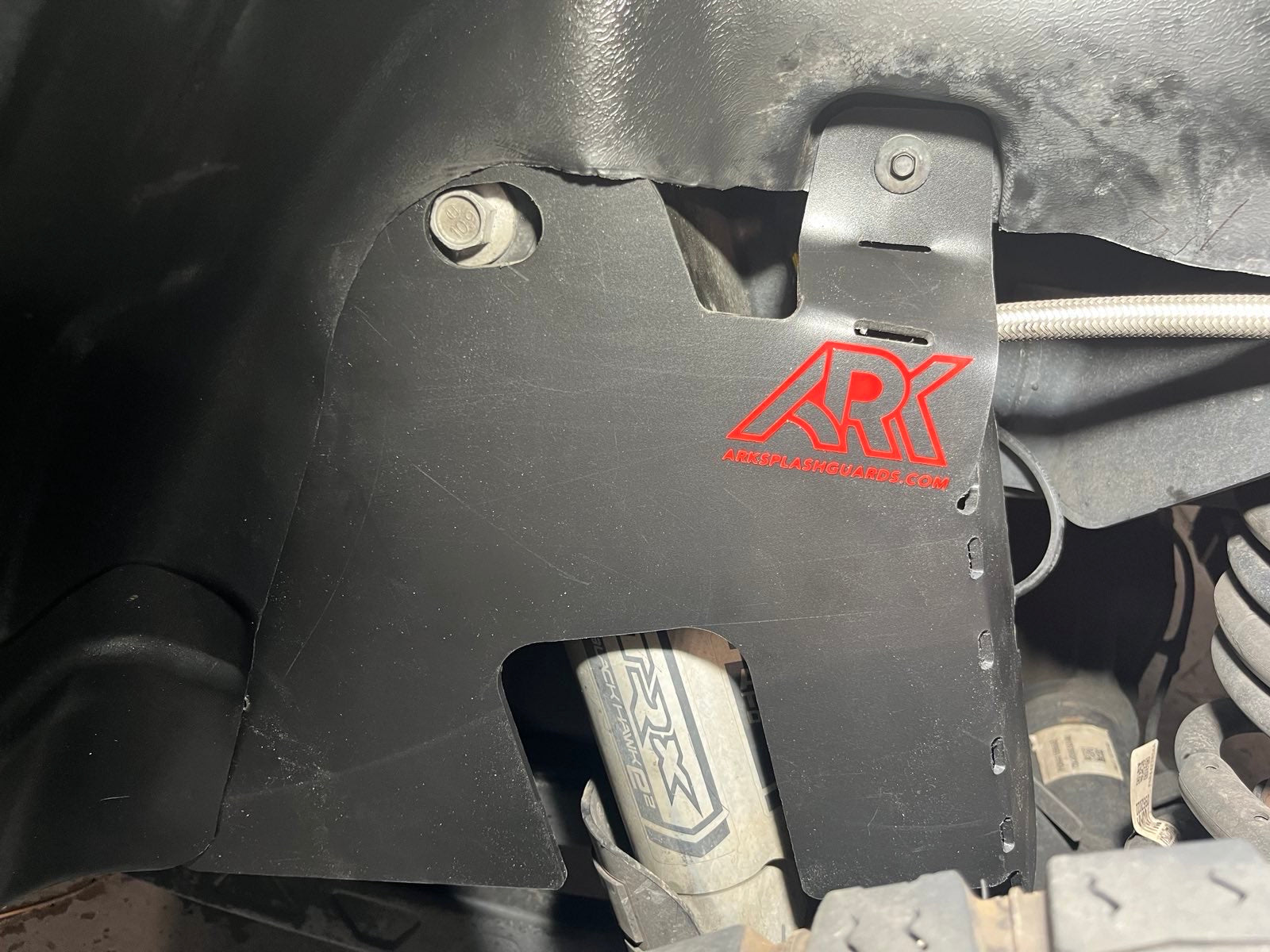
Fender liners, also known as inner wheel well liners, are protective panels mounted inside the wheel arches. While they may appear to be simple plastic inserts, they serve several critical functions:
-
Shield engine bay components from rocks, mud, and road debris
-
Protect electrical wiring and sensors from moisture intrusion
-
Prevent excessive accumulation of dirt in hard-to-clean areas
-
Reduce corrosion by blocking water and salt exposure
-
Improve aerodynamics and reduce road noise
In off-road environments, these benefits become even more important. Trails throw debris at your vehicle from every angle. Without proper protection, sensitive components are directly exposed.
Why Fender Liners Go Missing After Off-Roading
Off-road conditions are unforgiving. Sharp rocks, ruts, and compressed suspension travel can tear, crack, or completely rip out factory liners. Common causes of off-road fender liner damage include:
-
Tire contact during articulation
-
High-speed gravel impact
-
Deep mud creating drag and pull
-
Loose mounting clips shaking free
-
Trail obstacles puncturing plastic liners
After a tough trail run, some drivers notice damage but postpone replacement. Others remove liners intentionally to prevent tire rubbing when running oversized tires. While that may seem like a quick fix, it introduces significant missing fender liner risks.
The Real Risks of Driving Without Fender Liners
Driving without inner wheel well protection may not cause immediate failure. However, the cumulative damage over time can be substantial.
1. Inner Wheel Well Damage
The wheel well is home to more than empty space. Brake lines, wiring, suspension components, and portions of the engine bay often sit just behind the liner. Without that barrier:
-
Rocks can chip painted surfaces and expose bare metal
-
Mud can cake onto components, trapping moisture
-
Salt and water can accelerate corrosion
-
Debris can strike and weaken plastic housings
Repeated exposure leads to inner wheel well damage that compromises both structural integrity and vehicle longevity. Corrosion inside the wheel well often spreads unnoticed until expensive repairs are required.
2. Electrical Harness Exposure
Modern vehicles rely heavily on electronic systems. Wheel speed sensors, ABS wiring, headlight wiring, and various control modules are often routed along the inner fender area. Without liners, electrical harness exposure becomes a serious concern.
Unprotected wiring is vulnerable to:
-
Abrasion from flying debris
-
Water intrusion into connectors
-
Mud contamination causing shorts
-
Rodent nesting in debris-filled cavities
Electrical issues are notoriously difficult to diagnose. A single compromised wire can trigger warning lights, disable traction control, or cause intermittent performance problems. Replacing a harness often costs significantly more than replacing a fender liner.
3. Increased Corrosion and Rust
Moisture is the enemy of vehicle longevity. Fender liners are designed to deflect water away from metal seams and structural panels. Without them, water can continuously soak vulnerable areas.
Over time, this can lead to:
-
Rust along pinch welds
-
Corroded suspension mounting points
-
Weakening of structural body panels
-
Premature failure of bolts and fasteners
Drivers in desert climates like Arizona may assume rust is less of a threat. However, even dry environments experience occasional rain, mud crossings, and debris buildup that can trap moisture. Corrosion can begin wherever protective coatings are compromised.
4. Tire Upgrade Fender Liner Clearance Problems
Larger tires are one of the most popular off-road modifications. However, improper tire upgrade fender liner clearance planning often leads drivers to remove liners entirely rather than trimming or upgrading them.
While removing liners may prevent rubbing temporarily, it creates long-term issues:
-
Uncontrolled debris spray into the engine bay
-
Greater risk of wiring damage during articulation
-
Increased stress on suspension components
-
Excessive mud accumulation behind headlights and bumpers
Proper clearance solutions, such as liner trimming, aftermarket liner upgrades, or adjusting suspension geometry, are safer alternatives.
5. Engine Bay Contamination
Without liners, mud and debris can reach sensitive engine components. This contamination can cause:
-
Clogged air intake pathways
-
Dirty serpentine belts
-
Compromised cooling components
-
Accelerated wear on pulleys and bearings
Off-road driving already puts stress on mechanical systems. Removing protective barriers only increases that stress.
Splash Guards and Mud Flaps: An Added Layer of Protection
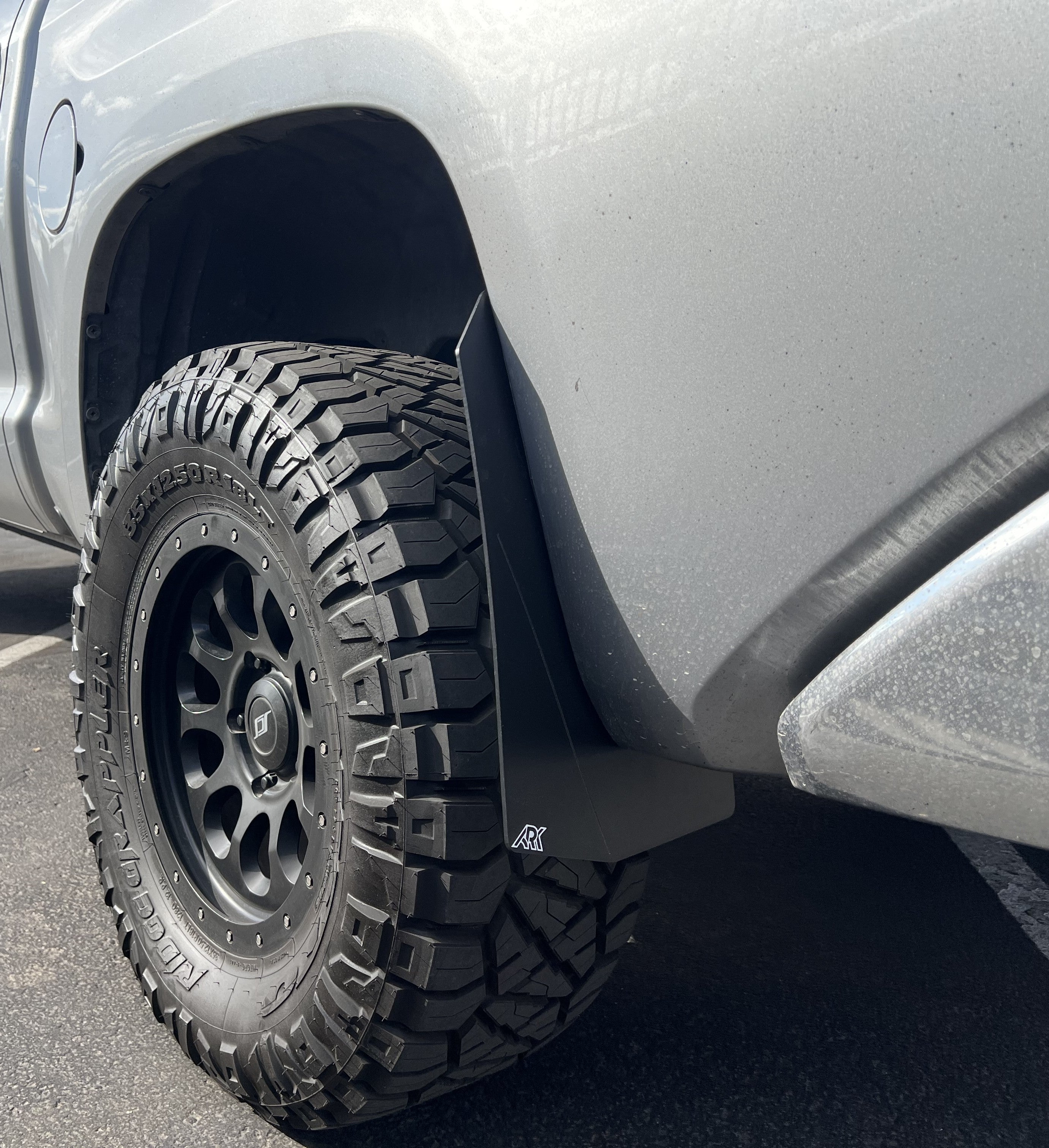
While fender liners protect the interior of the wheel well, splash guards, also known as mud flaps, provide an additional defense on the exterior. These components reduce debris spray and protect both your vehicle and others on the road.
Benefits of splash guards include:
-
Reducing rock chips along the lower body panels
-
Protecting trailer surfaces during towing
-
Limiting mud splatter on paint
-
Improving safety by reducing road spray
-
Preventing damage to vehicles driving behind you
When paired with properly installed fender liners, splash guards create a comprehensive protection system. Together, they minimize both inward and outward debris impact.
The Cost of Ignoring Fender Liner Replacement
Replacing a damaged liner may seem inconvenient. However, compare that minor expense to the potential costs of neglect:
-
Electrical system repairs
-
Suspension component replacement
-
Body panel rust remediation
-
Paint correction and refinishing
-
Diagnostic labor for intermittent wiring faults
What begins as a small piece of torn plastic can escalate into thousands of dollars in repairs.
Off-Road Enthusiasts Are at Greater Risk
Trail rigs and adventure vehicles face more extreme conditions than daily commuters. Articulation, water crossings, rocky climbs, and high-speed desert runs all increase stress on inner wheel well components.
If you frequently:
-
Run oversized tires
-
Explore rocky or muddy trails
-
Drive in desert gravel conditions
-
Tow equipment off the pavement
-
Modify suspension height
Then your vehicle is especially vulnerable to off-road fender liner damage.
Proactive inspection after each trip is crucial. Look for:
-
Loose or missing fasteners
-
Cracks or tears in liner material
-
Signs of tire rubbing
-
Exposed wiring
-
Mud accumulation behind panels
Early detection prevents larger issues.
Balancing Performance and Protection
Some enthusiasts believe removing liners enhances airflow or reduces weight. In reality, the benefits are negligible compared to the protection lost. Modern liners are engineered to balance airflow, clearance, and shielding.
If clearance is a concern after a tire upgrade, consider:
-
Trimming factory liners properly
-
Installing high clearance aftermarket liners
-
Adjusting bump stops
-
Re-evaluating wheel offset
-
Consulting a professional installer
Maintaining protective barriers should remain a priority even in highly modified builds.
Desert Driving and Unique Environmental Risks
In regions like Arizona, drivers face distinct challenges:
-
Fine desert dust infiltrating engine compartments
-
Sharp volcanic rock fragments
-
Monsoon season flash flooding
-
High temperature cycles expanding and contracting materials
These conditions make wheel well protection even more critical. Dust intrusion alone can degrade components over time. Splash guards help limit exterior spray, while liners prevent interior contamination.
Long-Term Vehicle Value and Resale
Even if your vehicle performs well without liners in the short term, long-term value may suffer. Prospective buyers or dealerships inspect the undercarriage condition closely. Visible rust, wiring repairs, or signs of neglected wheel well maintenance can reduce resale value significantly.
Investing in proper protection preserves both function and financial value.
Building a Complete Protection Strategy
Protecting your vehicle after off-roading or tire upgrades involves more than one component. A comprehensive approach includes:
-
Properly fitted fender liners
-
Durable splash guards
-
Routine post-trial inspections
-
Secure mounting hardware
-
Periodic cleaning of wheel wells
-
Monitoring tire clearance during articulation
Each layer of defense contributes to longevity.
Why Splash Guards Matter Just as Much
Many drivers focus solely on interior protection and forget the outward impact of debris. Splash guards, also called mud flaps, help maintain the integrity of your vehicle’s exterior while protecting others on the road.
They are particularly important when running larger, more aggressive tread patterns that throw rocks and mud farther than factory tires. Without splash guards, debris can:
-
Chip paint along rocker panels
-
Damage trailer surfaces
-
Crack headlights on vehicles behind you
-
Create hazardous road spray during rain
When combined with intact fender liners, splash guards form a dual protection system that works from both sides of the wheel.
Partner with Us Today
Driving without fender liners after off-roading or tire upgrades exposes your vehicle to hidden but serious risks. From inner wheel well damage and electrical harness exposure to corrosion and engine contamination, the consequences accumulate over time. What begins as a minor oversight can evolve into expensive mechanical and structural repairs.
Protecting your investment requires attention to detail and quality components that can withstand harsh environments.
If you are serious about safeguarding your truck or SUV, consider upgrading your protection system with high-quality splash guards designed for real-world off-road use. ARK Splash Guards is a small, American-made, family-owned business based in Phoenix, Arizona. Our team consists of passionate off-road and outdoor enthusiasts who have been exploring the Arizona wilderness since childhood. We understand firsthand the challenges that rugged terrain presents, and we design our splash guards to handle it.
Do not wait until damage appears. Contact us today to explore durable, precision-fit splash guard solutions that help protect your vehicle on every adventure. Your build deserves protection that works as hard as you do.