Toyota Tundra Splash Guards: Every Generation Fitment Guide (2000–2024)
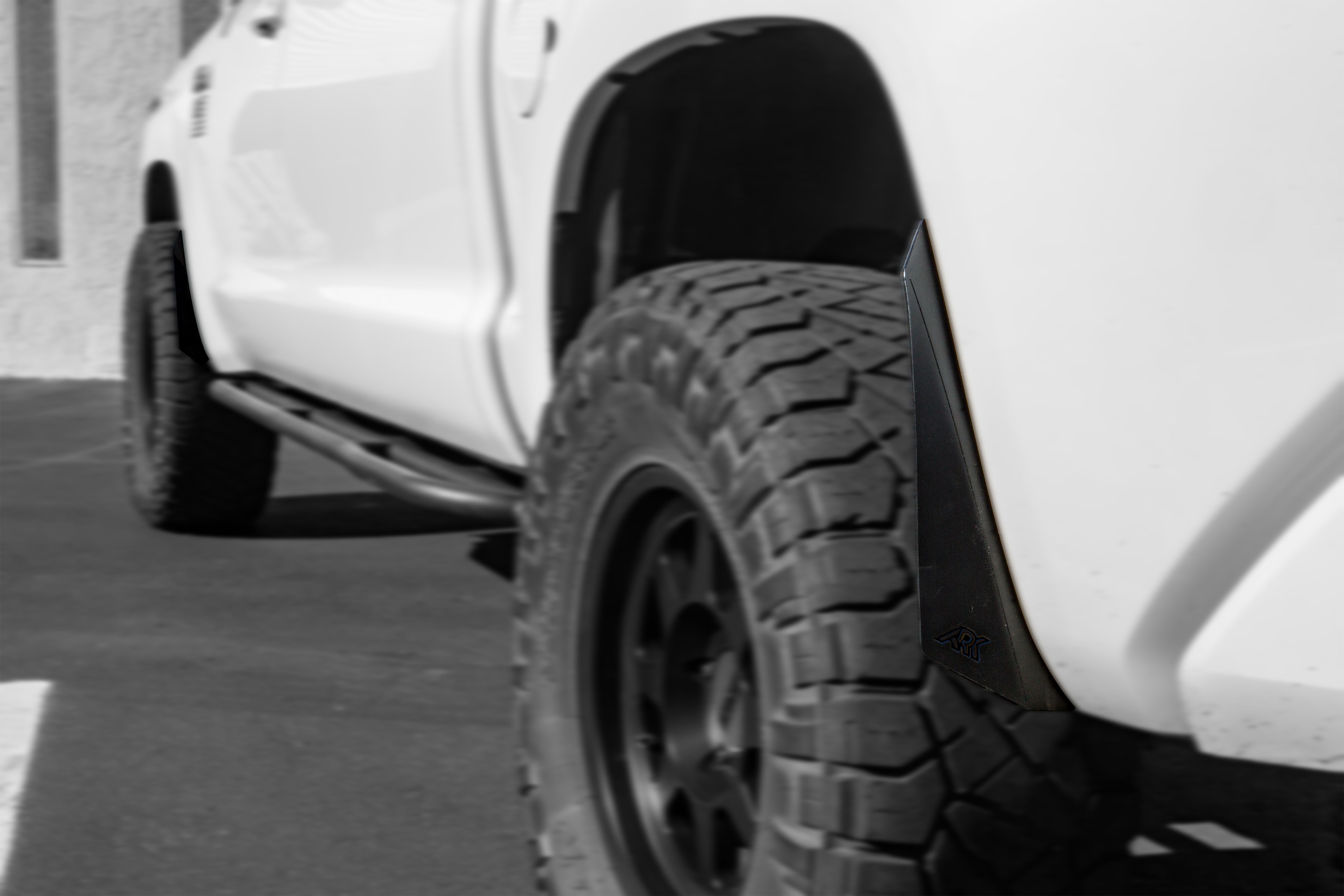
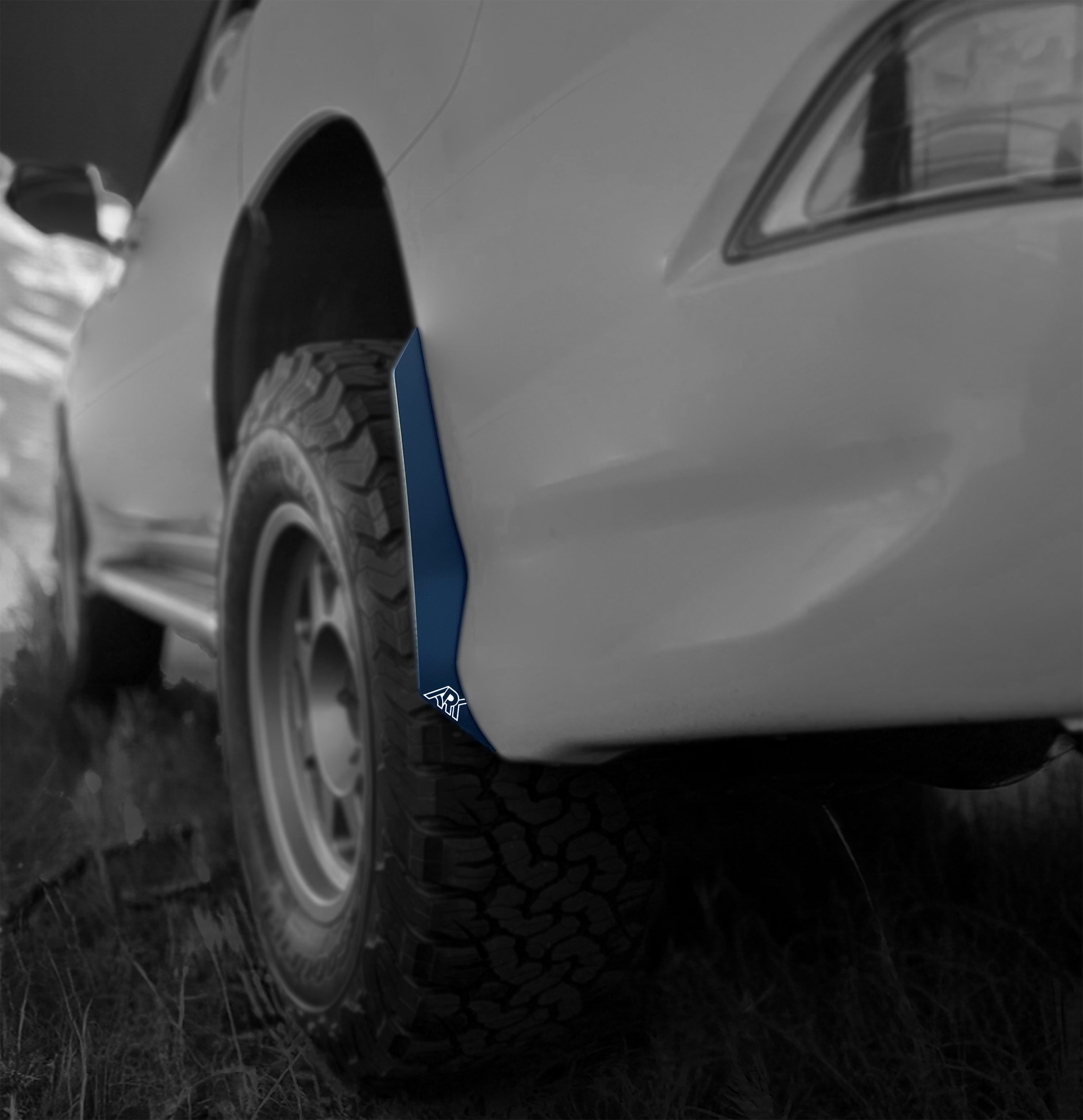
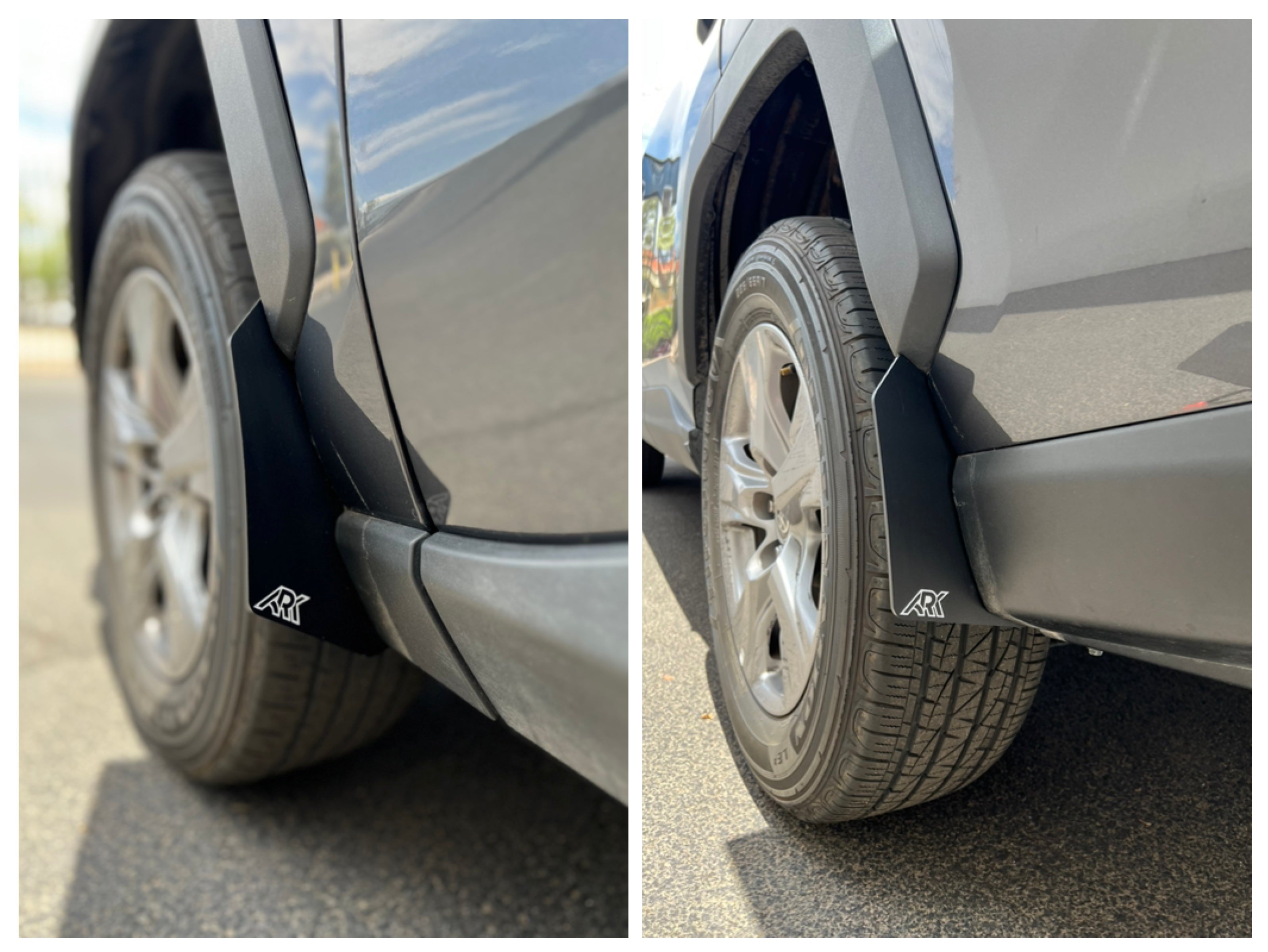
Toyota Tundra mud flaps are one of the most practical upgrades you can make to protect your truck from road debris, trail grit, gravel, slush, mud, and everyday abuse. Also commonly called splash guards, mud guards, or mud flaps, these protective panels help shield your paint, rocker panels, lower doors, fenders, and anyone driving behind you. Whether your Tundra is a first-generation work truck, a second-generation daily driver, or a newer third-generation off-road build, choosing the right splash guards starts with understanding year-by-year fitment.
The Toyota Tundra has gone through three major generations from 2000 through 2024. Each generation has its own body lines, wheel arch shape, mounting points, trim differences, and clearance considerations. That means splash guards are not always interchangeable from one generation to another. Even within the same generation, cab configuration, trim level, fender flare design, running boards, wheel offset, tire size, and off-road accessories can affect fitment.
This guide breaks down Toyota Tundra splash guard fitment by generation so you can make a more confident choice before ordering.
Why Splash Guards Matter on a Toyota Tundra
The Tundra is built for towing, hauling, commuting, job sites, camping, overlanding, and desert trails. All of those uses expose the lower body of the truck to impact and abrasion. Splash guards act as a barrier between your tires and the surfaces your truck throws backward.
Common benefits include:
-
Reduced rock chips along lower doors and rocker panels
-
Less mud and grime sprayed onto the truck body
-
Better protection for paint, trim, and underbody areas
-
Reduced spray for trailers, boats, campers, and vehicles behind you
-
A cleaner look after rain, snow, dirt roads, and trail use
-
Added protection when running larger tires or more aggressive tread patterns
For Tundra owners in Arizona, Utah, Colorado, California, Nevada, and other outdoor-heavy regions, splash guards are especially useful. Dry desert roads, sharp gravel, monsoon mud, forest roads, and washboard trails can all punish exposed body panels.
Toyota Tundra Splash Guard Fitment Overview
Before buying Toyota Tundra splash guards, confirm the following:
-
Model year
-
Generation
-
Cab style
-
Front and rear fitment needs
-
Factory fender flares or no flares
-
Running boards, rock sliders, or side steps
-
Tire size and wheel offset
-
Lift height or suspension modifications
-
Intended use, such as highway, work, towing, camping, or off-road driving
A quality set of splash guards should fit securely, sit at the correct angle, provide enough coverage, and avoid rubbing during normal turning, compression, or off-road articulation.
First-Generation Toyota Tundra Fitment: 2000 to 2006
The first-generation Tundra ran from 2000 through 2006. These trucks are known for their reliability, manageable size, and long service life. Many are still on the road as work trucks, hunting rigs, trail trucks, and daily drivers.
For splash guard fitment, first-generation Tundras require attention because the body shape is different from later models. A splash guard designed for a 2007 or newer Tundra will not generally fit a 2000 to 2006 truck without modification.
2000 to 2002 Toyota Tundra
Early first-generation models have their own front and rear wheel opening shape. When shopping for splash guards, owners should verify that the product specifically lists compatibility with 2000, 2001, and 2002 Tundra models.
Important fitment notes:
-
Confirm front and rear coverage before ordering
-
Check whether the truck has factory flare-style trim
-
Inspect existing mounting holes or hardware locations
-
Be cautious with universal mud flaps that require drilling
-
Check clearance if the truck has larger aftermarket tires
These early Tundras often benefit from flexible splash guards because many are now used on rough roads or mild off-road trails. A rigid guard can protect well on pavement, but a more flexible design can be better for trucks that see uneven terrain.
2003 to 2006 Toyota Tundra
The 2003 to 2006 models continued the first-generation platform but may have differences in trim, cab configuration, and exterior details. Double Cab models became especially popular during this era, and owners should not assume every first-generation splash guard set fits every body style equally.
Fitment considerations include:
-
Access Cab versus Double Cab body layout
-
Front mud flap mounting points
-
Rear bumper and rear wheel opening clearance
-
Side step or running board interference
-
Tire clearance when reversing or turning
If your 2003 to 2006 Tundra has aftermarket wheels with a more aggressive offset, you may need wider splash guards for meaningful protection. Tires that sit farther outside the fenders throw more debris along the side of the truck, making extra coverage valuable.
Second-Generation Toyota Tundra Fitment: 2007 to 2021
The second-generation Tundra arrived for 2007 and continued through 2021. This generation is much larger than the first-generation truck and is one of the most common Tundra platforms on the road today. Because of its long production run, there are many trim levels, cab styles, and exterior configurations to consider.
Although the second-generation Tundra spans many years, buyers should still verify specific fitment. A product may fit 2007 to 2013, 2014 to 2021, or the full 2007 to 2021 range, depending on how it mounts and how the guard is shaped.
2007 to 2013 Toyota Tundra
The 2007 to 2013 Tundra introduced a larger body, broader stance, and more substantial wheel wells. These trucks are common among owners who tow trailers, haul gear, and build capable outdoor rigs.
Key fitment considerations:
-
Regular Cab, Double Cab, and CrewMax configurations
-
Factory running boards or aftermarket side steps
-
TRD Off-Road package details
-
Tire width and wheel offset
-
Front splash guard clearance during steering
For 2007 to 2013 models, splash guards should provide strong coverage without hanging too low. A guard that is too long may drag or catch during trail use, while one that is too short may not protect the side of the truck from aggressive tire spray.
2014 to 2021 Toyota Tundra
The 2014 model year brought a major exterior refresh to the second-generation Tundra. While the underlying generation remained the same, body styling changed enough that owners should pay close attention to the listed year ranges.
For 2014 to 2021 Tundras, look for splash guards that are designed around the updated bodywork. These years are especially popular for TRD Off-Road, TRD Pro, Limited, Platinum, and 1794 Edition trucks.
Fitment factors include:
-
Updated exterior body lines
-
Factory fender flare style
-
TRD Pro trim details
-
Aftermarket suspension lifts
-
Larger all-terrain or mud-terrain tires
-
Rock sliders or low-profile steps
Many 2014 to 2021 owners upgrade wheels and tires, which can dramatically increase the amount of debris thrown from the tread. If the tires extend beyond the fenders, factory-style splash guards may not offer enough width. In that case, a more durable and wider splash guard may be the better choice.
Third-Generation Toyota Tundra Fitment: 2022 to 2024
The third-generation Tundra launched for the 2022 model year with a new frame, new body, updated suspension design, modern technology, and new powertrain options. Because the body and chassis changed significantly, splash guards from earlier Tundra generations are not generally compatible with 2022 to 2024 models.
Third-generation Tundra owners should use splash guards designed specifically for 2022, 2023, and 2024 fitment.
2022 Toyota Tundra
The 2022 Tundra introduced the new generation, so fitment requires extra attention. Early in a new generation, some accessories may be marketed broadly even when they do not account for all trim and package differences.
Check the following before ordering:
-
Trim level, such as SR, SR5, Limited, Platinum, 1794 Edition, TRD Pro, or Capstone
-
Factory wheel and tire package
-
Fender flare design
-
Running boards or rock rails
-
Front and rear mounting locations
-
Hybrid model considerations where applicable
Because the 2022 redesign changed the truck’s stance and body shape, owners should avoid assuming second-generation splash guards will transfer over.
2023 Toyota Tundra
The 2023 Tundra continued the third-generation platform. Most 2022-specific splash guard fitments may also cover 2023, but it is still important to confirm compatibility with the exact product and trim.
For 2023 models, pay close attention if your truck has:
-
TRD Pro equipment
-
Factory or aftermarket fender flares
-
Larger tires
-
Leveling kit or suspension lift
-
Aftermarket wheels
-
Rock sliders or step bars
Owners who use their Tundra for camping, mountain roads, desert trails, boat ramps, or snow travel should prioritize guards that balance protection with flexibility.
2024 Toyota Tundra
The 2024 Tundra remains part of the third generation, but owners should still verify year-specific product listings. Many splash guard manufacturers will list compatibility as 2022 to 2024, but trim and accessory differences may still matter.
Important 2024 fitment checks include:
-
Confirm that the product listing includes the 2024 Tundra
-
Verify front and rear guard availability
-
Check whether installation uses existing mounting points
-
Review tire clearance with the steering at full lock
-
Confirm compatibility with steps, rails, and lifted setups
If your 2024 Tundra is used off pavement, consider splash guards made from materials that can flex on contact rather than crack, bend, or tear away.
Front Versus Rear Splash Guards
Not every Tundra owner needs the same coverage. Front splash guards and rear splash guards serve different purposes.
Front Splash Guards
Front splash guards help protect:
-
Lower doors
-
Rocker panels
-
Cab corners
-
Side steps
-
Paint near the front wheel wells
Front guards are especially useful if your Tundra has aggressive tires, wider wheels, or regular exposure to gravel roads.
Rear Splash Guards
Rear splash guards help protect:
-
Rear quarter panels
-
Bumper areas
-
Trailer fronts
-
Boats, campers, and utility trailers
-
Vehicles behind you
Rear guards are particularly helpful for towing and for trucks that spend time on wet, muddy, snowy, or rocky roads.
Factory Splash Guards Versus Aftermarket Mud Flaps
Factory splash guards usually provide a clean, molded appearance. They are often designed for everyday use and standard tire sizes. However, they may not provide enough coverage for lifted trucks, wider tires, off-road driving, or heavy-duty use.
Aftermarket mud flaps and splash guards may offer:
-
More coverage
-
Better flexibility
-
More durable materials
-
Improved off-road performance
-
Better protection for oversized tires
-
Options for trucks with modified suspension or wheels
The best choice depends on how you use your Tundra. A stock daily driver may only need basic protection, while a trail-ready or overland Tundra may benefit from a tougher, more flexible splash guard.
Common Fitment Mistakes to Avoid
Tundra owners often run into fitment issues because they shop by appearance instead of confirming exact compatibility. Avoid these mistakes:
-
Assuming all Tundra mud flaps fit all years
-
Buying second-generation splash guards for a third-generation truck
-
Ignoring fender flare differences
-
Forgetting about running boards or rock sliders
-
Choosing guards that are too narrow for wider tires
-
Choosing rigid guards for heavy off-road use
-
Not checking front tire clearance at full steering lock
-
Installing guards too low for trail use
The safest approach is to match the splash guard to your exact model year, generation, trim, and truck setup.
How to Choose the Right Toyota Tundra Splash Guards
When comparing options, think beyond the year range. The best splash guards should match the way you actually drive.
Choose your splash guards based on:
-
Daily driving: Look for clean fitment and reliable road protection.
-
Towing: Prioritize rear coverage to reduce spray and debris hitting trailers.
-
Off-roading: Choose flexible, durable materials that can handle rocks, ruts, brush, and uneven terrain.
-
Larger tires: Look for wider guards that cover the tread more effectively.
-
Desert driving: Choose guards that can handle gravel, dust, sand, and sharp trail debris.
-
Snow and slush: Look for coverage that helps control spray and buildup.
For many Tundra owners, the right splash guard is not just about keeping the truck clean. It is about preserving the paint, protecting the lower body, and making the truck more practical for real-world use.
FAQ
Are splash guards and mud flaps the same thing?
Yes. Splash guards and mud flaps are commonly used to describe the same type of accessory. Both terms refer to protective panels mounted behind the tires to reduce mud, rocks, water, and road debris from spraying onto the truck or behind it.
Do Toyota Tundra mud flaps fit every model year?
No. Toyota Tundra mud flaps are generation-specific and sometimes year-range-specific. A set made for a 2000 to 2006 Tundra will not usually fit a 2022 to 2024 Tundra. Always confirm the exact model year and trim compatibility.
What generation is my Toyota Tundra?
The 2000 to 2006 Tundra is first generation. The 2007 to 2021 Tundra is second generation. The 2022 to 2024 Tundra is third generation.
Do I need front and rear splash guards?
For the best protection, yes. Front guards protect the cab, doors, rocker panels, and side steps. Rear guards help protect the rear body, trailers, and vehicles behind you.
Will splash guards fit with larger tires?
It depends on the tire size, wheel offset, lift height, and splash guard design. Larger tires may require wider or more flexible guards to prevent rubbing and provide enough coverage.
Are flexible splash guards better for off-road use?
In many cases, yes. Flexible splash guards can move when they contact rocks, brush, ruts, or uneven terrain. This can make them a better choice for off-road and overland use than rigid molded guards.
Can I install Tundra splash guards myself?
Many splash guards are designed for straightforward installation, especially when they use existing mounting points. However, installation difficulty depends on the product, truck year, trim, and any modifications already on the vehicle.
Do splash guards help protect paint?
Yes. Splash guards can reduce the amount of gravel, sand, mud, and road debris hitting the lower body panels. Over time, this can help reduce chips, scratches, and wear.
Protect Your Tundra With ARK Splash Guards
Your Toyota Tundra is built to work hard, explore farther, and handle the kind of terrain that demands real protection. The right splash guards help preserve your truck’s finish, reduce mess, and add confidence whether you are commuting, towing, camping, or heading deep into the backcountry.
For durable, purpose-built splash guards from a team that understands trucks, trails, and real outdoor use, choose ARK Splash Guards. We are a small, American-made, family-owned business based in Phoenix, Arizona. Our team is made up of passionate off-road and outdoor enthusiasts who have been exploring the Arizona wilderness since childhood. We build with that experience in mind because we know what rocks, gravel, sand, mud, and desert trails can do to a truck.
Contact us to find the right splash guards for your Toyota Tundra and give your truck the protection it deserves.