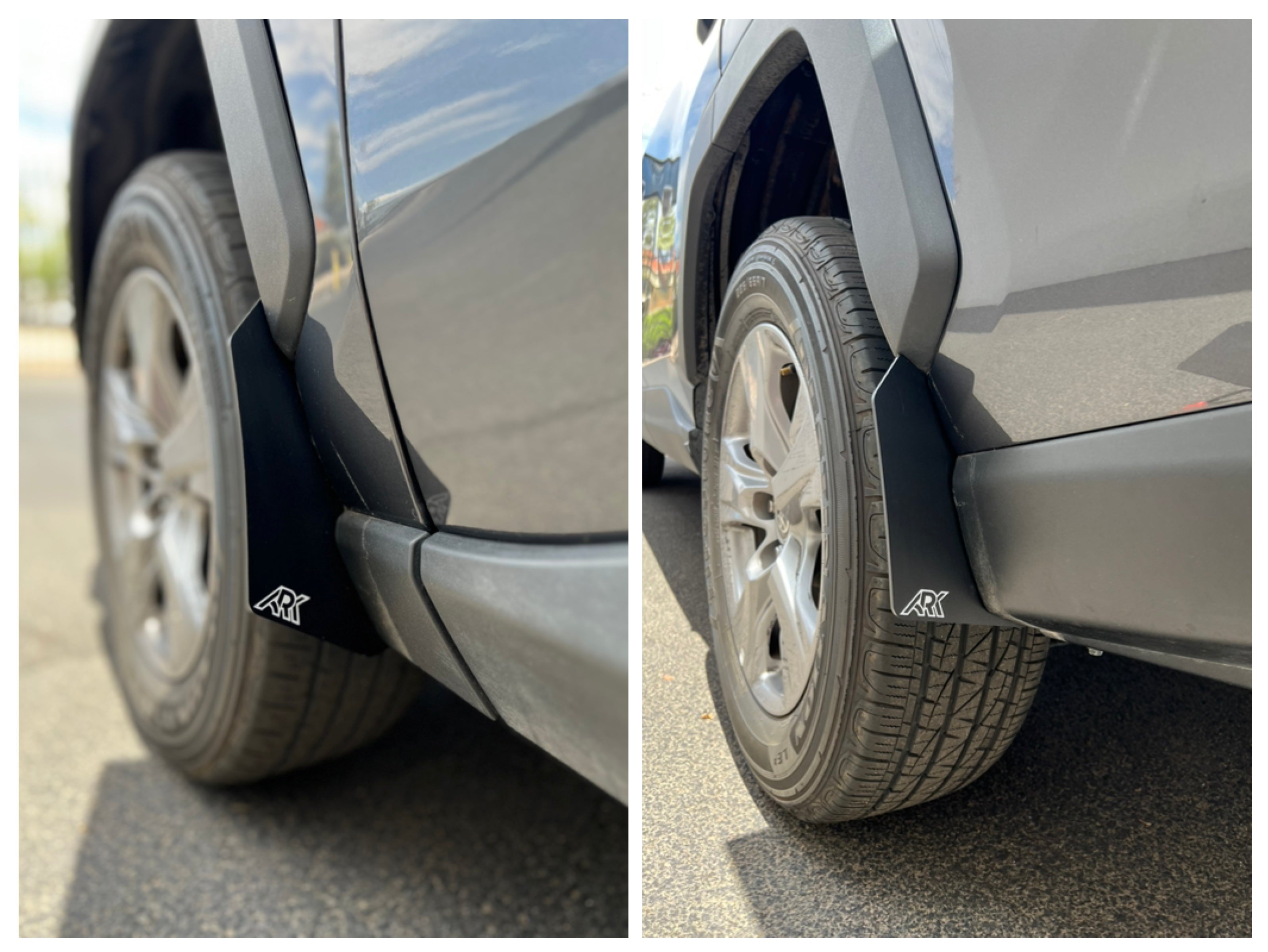
Toyota Highlander Splash Guards & Mud Flaps: 2020+ 4th Gen Protection Guide

The fourth-generation Toyota Highlander combines family-friendly comfort, modern styling, and dependable performance in a versatile midsize SUV. Whether you use your Highlander for commuting, road trips, school pickups, outdoor adventures, or light trail travel, protecting its exterior should be a priority. Toyota Highlander mud flaps offer a practical way to reduce the amount of mud, gravel, water, road salt, and other debris thrown against the vehicle’s paint and lower body panels. Also commonly called splash guards, these protective accessories can help preserve your Highlander’s appearance while supporting easier cleaning and long-term ownership.
Understanding the 2020+ Fourth-Generation Toyota Highlander
Toyota introduced the fourth-generation Highlander for the 2020 model year. Built on Toyota’s TNGA-K platform, this generation features a more sculpted body, updated technology, refined driving characteristics, and a range of gasoline and hybrid configurations.
Although the Highlander is primarily designed for paved roads, its available all-wheel-drive systems, useful ground clearance, and spacious cargo area make it a popular choice among drivers who enjoy camping, hiking, biking, and exploring outdoor destinations. These activities often involve gravel roads, dirt parking areas, wet campsites, snow-covered highways, and other environments where debris can be thrown against the vehicle.
The Highlander’s wide tires and contoured wheel openings can direct dirt and road spray toward vulnerable exterior surfaces. Properly designed splash guards help limit that exposure without requiring major modifications.
What Are Splash Guards and Mud Flaps?
The terms splash guards and mud flaps are often used interchangeably. Both refer to components installed behind a vehicle’s wheels to help block material kicked up by the tires.
Some manufacturers use “splash guards” to describe compact, vehicle-specific accessories that follow the shape of the wheel well. The term “mud flaps” may refer to longer or more flexible products that extend farther below the vehicle. However, there is no universal naming standard.
For Toyota Highlander owners, the most important considerations are not the terminology but the product’s:
-
Coverage
-
Fitment
-
Material quality
-
Mounting method
-
Durability
-
Compatibility with the vehicle’s trim
A well-designed set of splash guards or mud flaps should provide useful protection while complementing the Highlander’s body lines.
Why Install Toyota Highlander Splash Guards?
A clean vehicle can quickly become covered in dirt after driving through rain, loose gravel, construction zones, or muddy parking areas. Tires rotate at high speeds and can launch debris toward the doors, rocker panels, rear bumper, and nearby vehicles.
Installing splash guards can provide several practical benefits.
Reduced Paint Exposure
Small stones, sand, and other abrasive materials may strike painted surfaces near the wheels. A single impact might not create obvious damage, but repeated exposure can contribute to small chips, scuffs, or surface wear.
Splash guards create an additional barrier behind each tire, helping reduce the amount of material that reaches the vehicle’s lower panels.
Better Control of Water and Mud
Wet roads can leave streaks of dirty water along the doors and rear quarter panels. Muddy roads may create even heavier buildup.
Mud flaps help control the spray pattern generated by the tires. They will not keep the Highlander completely clean, but they can reduce the amount of grime that accumulates after everyday driving.
Protection for Rocker Panels
The rocker panels run beneath the doors and are especially vulnerable to debris thrown by the front tires. These lower sections can be difficult to inspect and clean, particularly during winter or after driving on dirt roads.
Front splash guards help interrupt the path between the tire and the rocker panel, providing valuable coverage in a high-impact area.
Less Debris Around the Rear Bumper
Rear tires can throw mud and water toward the rear quarter panels and bumper corners. Rear mud flaps can help reduce buildup in these areas, especially on wet highways and unpaved roads.
Cleaner Entry Areas
Dirt collecting along the lower doors can transfer to clothing when passengers enter or exit the vehicle. Families with children may notice this issue after rainy weather or outdoor trips.
By reducing spray along the lower body, splash guards can help keep door-adjacent areas cleaner.
Added Protection During Outdoor Travel
Highlander owners who frequently visit campgrounds, trailheads, lakes, forests, and desert recreation areas may encounter:
-
Dirt roads
-
Loose gravel
-
Shallow mud
-
Sand
-
Snow and slush
-
Uneven parking areas
-
Construction debris
Quality mud flaps provide an extra layer of protection in these conditions while maintaining the vehicle’s everyday usability.
Front vs. Rear Mud Flaps
Front and rear splash guards serve related but slightly different purposes.
Front Splash Guards
Front tires often turn while the vehicle is moving, which can send debris outward and backward. Front splash guards primarily help protect:
-
Front door edges
-
Rocker panels
-
Lower side panels
-
Rear portions of the front fenders
Front protection is especially valuable because debris thrown from the front wheels can travel along much of the vehicle’s side.
Rear Splash Guards
Rear tires typically throw material toward:
-
Rear quarter panels
-
Rear bumper corners
-
The area behind the vehicle
Rear mud flaps can also reduce the amount of debris projected toward trailers, cargo carriers, cyclists, or nearby vehicles.
For balanced coverage and consistent appearance, many owners choose to install both front and rear splash guards.
Important Fitment Considerations for the 2020+ Highlander
Not every mud flap marketed for an SUV will fit the fourth-generation Highlander correctly. Vehicle-specific fitment matters because wheel-well shapes, bumper designs, factory fasteners, and exterior trim can vary.
Before ordering, confirm the product is designed for:
-
The correct Highlander model year
-
The fourth-generation body style
-
The specific trim level when applicable
-
Gasoline or hybrid configurations if the manufacturer lists different fitments
-
Factory wheel-arch trim
-
Any installed running boards, side steps, or body accessories
Model-year updates can sometimes affect bumper contours, mounting points, or exterior cladding. A product listed for a 2020 Highlander may not automatically fit every later model without verification.
Choosing the Right Material
Material selection affects flexibility, impact resistance, appearance, and long-term performance.
Flexible Plastic and Polymer
Many vehicle-specific splash guards are made from molded plastic or polymer blends. These products can offer:
-
A clean factory-style appearance
-
Resistance to moisture
-
Lightweight construction
-
Easy maintenance
-
Precise contours
The material should be flexible enough to handle normal contact and temperature changes but firm enough to maintain useful coverage.
Rubber or Rubber-Like Materials
Flexible rubber mud flaps can absorb impacts and bend when contacting snow, dirt, or uneven terrain. However, universal rubber products may require drilling, trimming, or custom positioning.
A poorly sized rubber flap may hang too low, flex excessively at highway speeds, or interfere with the tire.
Rigid Materials
Very rigid splash guards may hold their shape well, but they can be more susceptible to cracking if they strike an obstacle. For a family SUV used in changing weather and outdoor environments, a balance of flexibility and strength is often preferable.
Vehicle-Specific vs. Universal Mud Flaps
One of the most important purchasing decisions is whether to choose a vehicle-specific or universal product.
Vehicle-Specific Splash Guards
Vehicle-specific options are engineered around the Highlander’s wheel openings and existing attachment points. Potential advantages include:
-
Cleaner fit
-
More consistent coverage
-
Easier alignment
-
Reduced need for cutting or drilling
-
A more integrated appearance
-
Less risk of tire interference
These products are generally the best choice for owners who want a straightforward installation and a professional finished look.
Universal Mud Flaps
Universal mud flaps are designed to work with many vehicle types. Although they may cost less, they can require:
-
Measuring
-
Trimming
-
Drilling
-
Custom brackets
-
Additional hardware
-
Repeated test fitting
Universal products can work in some situations, but results depend heavily on the installer’s skill and the flap’s dimensions. For most 2020+ Highlander owners, a properly engineered vehicle-specific solution offers greater convenience.
How Much Coverage Do You Need?
More coverage is not always better. Extremely wide or long mud flaps may look out of proportion on the Highlander or reduce clearance.
The ideal splash guard should extend far enough to intercept debris while maintaining:
-
Adequate ground clearance
-
Tire clearance during turns
-
Clearance when the suspension compresses
-
A balanced appearance
-
Compatibility with curbs and parking stops
Drivers who spend most of their time on paved roads may prefer a compact design. Those who regularly travel on gravel or wet dirt roads may prioritize wider and longer coverage.
Installation Expectations
Installation requirements depend on the product. Some Highlander splash guards use factory screws, clips, or mounting locations. Others may include replacement hardware.
A typical installation may involve:
-
Parking on a level surface
-
Cleaning the wheel-well area
-
Identifying the correct flap for each corner
-
Removing selected factory fasteners
-
Positioning the splash guard
-
Installing the supplied or factory hardware
-
Checking alignment and clearance
-
Tightening the hardware securely
Turning the front wheels can create additional working room. Rear installation may require a compact screwdriver or an angled tool if wheel removal is not necessary.
Always follow the manufacturer’s instructions. Avoid overtightening fasteners, as excessive force can damage plastic components or mounting points.
Should You Drill Into the Highlander?
Many owners prefer a no-drill installation because it reduces permanent modification and simplifies removal. A vehicle-specific splash guard may use existing factory holes or fasteners.
However, installation methods vary. Some products may require drilling for added stability or coverage. Before purchasing, review the mounting instructions and confirm whether drilling is required.
When drilling is necessary, take precautions:
-
Confirm the area behind the mounting point is clear
-
Use the recommended drill-bit size
-
Avoid wiring, sensors, and structural components
-
Protect exposed metal from corrosion
-
Double-check alignment before creating holes
Owners who are uncomfortable with drilling should choose a no-drill product or consult a qualified installer.
Caring for Your Splash Guards
Mud flaps require minimal maintenance, but occasional inspection can help them perform properly.
During routine washing:
-
Rinse dirt from both sides of each guard
-
Remove packed mud, snow, and road salt
-
Inspect screws and clips
-
Check for cracks or excessive bending
-
Confirm the guards are not contacting the tires
-
Look for trapped debris between the guard and body panel
After traveling on rough roads, inspect the splash guards for loose hardware or impact damage. Catching a minor issue early may prevent the guard from shifting or detaching.
Splash Guards for Arizona Driving Conditions
Arizona drivers encounter conditions that can make splash guards particularly useful. Although the state is known for dry weather, its roads and landscapes present a wide range of challenges.
Highlander owners may deal with:
-
Loose desert gravel
-
Dusty access roads
-
Rocky trailhead parking areas
-
Monsoon rain
-
Mud created by sudden storms
-
Road construction debris
-
Winter snow in northern Arizona
-
Cinders and deicing materials in mountain communities
During monsoon season, a previously dry road can become muddy in a short period. Tires can throw wet sand and grit against the lower doors and quarter panels. In higher-elevation areas, snow and slush can create additional buildup.
A durable set of Toyota Highlander splash guards can help reduce exposure across these changing conditions.
Common Mistakes to Avoid
Choosing and installing mud flaps may seem simple, but several mistakes can reduce their effectiveness.
Buying Without Confirming the Model Year
Do not assume that splash guards designed for the previous Highlander generation will fit a 2020+ model. The body shape and mounting points are different.
Ignoring Trim-Level Differences
Exterior cladding and wheel-arch details may vary by trim. Always review compatibility information carefully.
Selecting Guards That Hang Too Low
Long mud flaps may scrape on curbs, parking stops, steep driveways, or uneven terrain. Excessive contact can damage the flap or its mounting points.
Overtightening Hardware
Plastic wheel-well components can crack or deform if screws are tightened too aggressively. Hardware should be secure without crushing the material.
Skipping the Clearance Check
After installation, turn the steering wheel fully in both directions and inspect the distance between the tires and front splash guards.
Failing to Recheck Fasteners
Vibration and repeated impacts can loosen hardware over time. Inspect the mounting points periodically, especially after rough-road travel.
Are Mud Flaps Worth It for a Toyota Highlander?
For many owners, mud flaps are a worthwhile addition because they address a common source of exterior wear without changing the vehicle’s core function.
They are particularly useful for drivers who:
-
Live in rainy or snowy climates
-
Regularly travel on gravel
-
Visit campsites or trailheads
-
Drive through construction areas
-
Want to reduce lower-body grime
-
Plan to keep their Highlander for several years
Splash guards are not a replacement for washing, waxing, paint protection film, or routine maintenance. Instead, they serve as a practical first line of defense against material thrown directly from the tires.
Frequently Asked Questions
Are splash guards and mud flaps the same thing?
The terms are commonly used interchangeably. Splash guards often refer to compact, vehicle-specific designs, while mud flaps may describe longer or more flexible products.
Will mud flaps fit every 2020+ Toyota Highlander?
Not necessarily. Fitment may depend on the model year, trim level, exterior cladding, and installed accessories. Check the manufacturer’s compatibility information before ordering.
Do Toyota Highlander mud flaps require drilling?
Some products use existing factory mounting points and do not require drilling. Others may require additional holes. Review the installation instructions before purchasing.
Can splash guards prevent all paint chips?
No. They can reduce exposure to debris thrown by the tires, but they cannot prevent every chip or scratch caused by road hazards.
Will mud flaps reduce ground clearance?
They extend below the body and may slightly reduce clearance near the wheels. A properly sized set should provide protection without hanging excessively low.
Are splash guards useful if I only drive on pavement?
Yes. Paved roads still contain water, sand, gravel, road salt, and construction debris that tires can throw against the vehicle.
Should I install front and rear splash guards?
Installing both provides more complete protection and a balanced appearance. Front guards protect the doors and rocker panels, while rear guards protect the quarter panels and rear bumper area.
Can I install Highlander splash guards myself?
Many vehicle-specific products can be installed with basic hand tools. Follow the manufacturer’s instructions and verify tire clearance after installation.
How often should I inspect mud flaps?
Check them during regular vehicle washes and after driving on rough, muddy, snowy, or debris-covered roads.
Will splash guards affect fuel economy?
A properly designed, vehicle-specific set is unlikely to cause a noticeable change in everyday fuel economy.
Protect Your Toyota Highlander with ARK Splash Guards
Your 2020+ Toyota Highlander is built to handle daily responsibilities and memorable adventures. The right splash guards can help protect its lower body from mud, gravel, water, sand, and other debris encountered along the way.
We are a small, American-made, family-owned business based in Phoenix, Arizona. Our team consists of passionate off-road and outdoor enthusiasts who have explored the Arizona wilderness since childhood. That firsthand experience shapes our understanding of the protection vehicles need when traveling through desert terrain, mountain weather, unpaved roads, and everyday driving conditions.
Choose splash guards created by people who understand outdoor travel and take pride in American-made products. Explore protection options for your Toyota Highlander and prepare your SUV for the road ahead.